
Macro uncertainty to drive increased Korean M&A
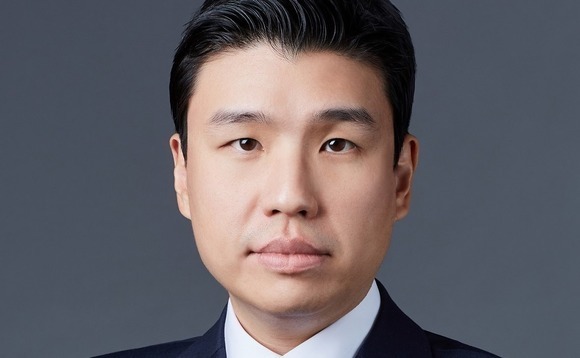
Difficult economic and political conditions bode well for the Korean PE industry in the near term, according to Michael Chung (pictured), head of Korea at Morgan Stanley Private Equity Asia (MSPEA).
Although global trade tensions, macro uncertainties and changing local regulations, including those related to labor and tax, have been increasingly challenging for Korean equity shareholders, local deal flow is expected to remain robust.
"We would expect that such factors could lead to increased M&A sale attempts in the coming year," Chung said. "We could also see a delay or reduction in IPO and post-IPO sell-downs; however, M&A and secondary sales could well make up for the shortfall from capital market participation by PE-owned portfolios. As such, we predict an increased proportion of control deals taking place in 2020 versus 50-55% of the PE market in the past couple of years."
A series of reforms around fair trade, labor rules, minimum wages, and taxes following the election of President Moon Jae-in in 2017 has been widely regarded as a challenge to the Korean business environment. This has coincided with a long-running slowdown in the local economy, which itself has been exacerbated by an increasingly competitive China. Investors have recognized opportunity, however, in the sense that struggling companies can be more receptive to swapping equity for cash.
Morgan Stanley opened its Seoul office in 1992, providing a range of strategies, including M&A and private equity. MSPEA is currently raising its fifth pan-regional fund with a target of $2 billion. Korean assets include Jeonju Paper, a low-end manufacturing company that has been transitioned into a renewable energy player through a biomass capacity build-out. The plan leveraged low competition in an unfashionable segment to offset Korea's poor terms of trade in energy, which is 80% imported.
"Looking ahead, the private equity industry will need to stay mindful of the changing investing environment in public and private markets, and to how the ever more unpredictable macro backdrop affects their newly-acquired and existing portfolio companies," Chung added. "We therefore believe it will become increasingly important to develop and maintain a team of highly experienced investment managers equipped to navigate through such times of complexity."
Latest News
Asian GPs slow implementation of ESG policies - survey
Asia-based private equity firms are assigning more dedicated resources to environment, social, and governance (ESG) programmes, but policy changes have slowed in the past 12 months, in part due to concerns raised internally and by LPs, according to a...

Singapore fintech start-up LXA gets $10m seed round
New Enterprise Associates (NEA) has led a USD 10m seed round for Singapore’s LXA, a financial technology start-up launched by a former Asia senior executive at The Blackstone Group.

India's InCred announces $60m round, claims unicorn status
Indian non-bank lender InCred Financial Services said it has received INR 5bn (USD 60m) at a valuation of at least USD 1bn from unnamed investors including “a global private equity fund.”

Insight leads $50m round for Australia's Roller
Insight Partners has led a USD 50m round for Australia’s Roller, a venue management software provider specializing in family fun parks.