

Deal focus: Fortitude rings in 9x return on Shopper
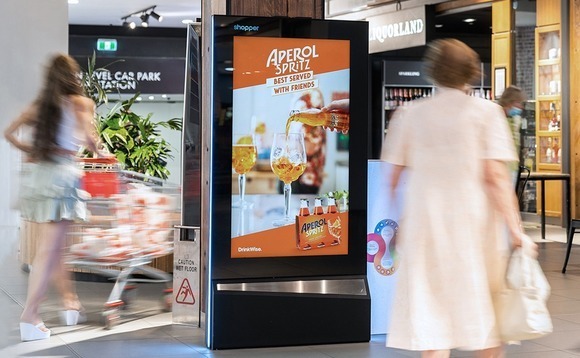
Shopping mall-focused digital advertising business Shopper Media Group rode out Australia’s lockdown woes to seal a sale to Woolworths, with Fortitude Investment Partners getting a 9x return
Lockdowns initiated by Australia's six states – sometimes simultaneously – between July 2020 and December 2021 amounted to more than 450 days. Melbourne alone was subject to 260 days of restrictions, earning the tag of "world's most locked-down city." The impact on retail activity was profound, with month-by-month turnover swinging from expansion to contraction, sometimes wildly.
Brands responded by cutting back on display advertising, not least in shopping malls where there was limited foot traffic. Shopper Media Group, an out-of-home digital advertising business that operates 2,000 screens across more than 400 shopping centres, inevitably took a hit.
"Revenue grew 15% in the 2020 calendar year, but it was very bumpy and nervous. We lost significant margin and didn't grow as fast as we wanted, but the team navigated it well. They pivoted as advertising revenue shifted to other areas, getting on the front foot with the right customers," said Nick Miller, a partner at Fortitude Investment Partners, an investor in Shopper at the time.
The pivot involved focusing on grocery stores in shopping malls, which saw increased traffic because people were forced to cook at home instead of eating out. The nature of the customer base also shifted as Shopper positioned itself as a "national noticeboard," carrying government health guidance information and announcements of impending lockdowns on its screens.
A version of normality returned in 2022, with retail turnover increasing steadily if unspectacularly over the course of the year. If lockdowns immediately turned the switch off, Miller describes the post-pandemic rebound as "a lot of flickering." He added: "The world is different to three years ago. Advertisers are different, and if companies have supply chain issues, they won't advertise."
Nevertheless, Fortitude completed its exit from Shopper earlier this month with a more than 9x gross multiple on a blended basis following a full acquisition by Woolworths for AUD 150m (USD 102m). The domestic grocery giant plans to integrate Shopper with Cartology, its in-house retail media business, which has more than 1,500 screens installed across 1,070 stores.
Fortitude – then a growth capital investor under listed alternatives manager Blue Sky – invested in Shopper in 2017, committing around AUD 10m for a minority stake (a follow-on came later). The two-year-old company had a presence in fewer than 100 shopping malls, with a high level of exposure to a single landlord. Revenue was around AUD 5m and there was no profit.
"They had done a lot of work, but it was early stage. We had high conviction about their ability to grow based on how far they had come in 18-24 months with pretty much no capital," said Miller.
"Digital screens were available yet underpenetrated, and the Wi-Fi technology they were using wasn't really penetrated at all. The pitch to landlords was: ‘We'll put these screens into your shopping centres, you'll get some rent; we'll install Wi-Fi, so your patrons get it for free; and we have analytics to help you understand how many people are visiting and when are the busy times.'"
Shopper's business model is based on enabling brands to engage with and convert customers close to point-of-sale. It runs advertising on digital panels and helps brands identify optimal locations based on information gleaned from Bluetooth beacons and Wi-Fi access points.
By tracking the MAC [media access control] addresses assigned to mobile devices using communication networks, Shopper can create customer heatmaps of shopping malls. Collecting information over time and capturing the habits of repeat customers contributes to the construction of profiles that feed into more personalised advertising content.
Wi-Fi networks help complete the picture in that access is conditional on completing short brand surveys that ask how and where people shop for certain items. Most of Shopper's revenue comes from advertising, but data platforms and surveys account for a growing share.
"In the beginning, it was more about offering Wi-Fi and using that to provide rudimentary stats. Over time, it became more sophisticated. You can do data overlays, for example cross-referencing bank NPS [net promoter scores] with where our panels are located and adjust the profile of ads you put through specific locations," said Miller. "It became a profitable, high margin business."
Revenue increased tenfold during Fortitude's holding period, but Miller believes there is plenty of unrealised upside, noting that the business appealed in part because of its multiple paths to growth. That could come through delivering even richer datasets, signing up more shopping malls in Australia, including the smaller independent players, or expanding into markets like New Zealand.
For Fortitude, Shopper is the sixth exit out of 17 investments made to date. Distributions exceed AUD 400m with an overall multiple of 2.5x.
The team spun out in 2019 after Blue Sky collapsed and went into administration. This came on the back of regulatory breaches regarding fees charged to wholesale private equity and real estate funds, but the institutional funds and mandates – including those under what is now the Fortitude team – were not impacted. Oaktree Capital restructured Blue Sky and holds a minority stake in Fortitude.
The Fortitude team has always raised capital on a deal-by-deal basis, with a 70-30 split between high net worth and institutional clients. "Our current model works for us and a lot of our existing investors favour it," Miller added. "We might at some point transition to a blind pool fund-based structure, but we are not thinking about pulling the trigger on that."
More on Australasia



Latest News

Asian GPs slow implementation of ESG policies - survey
Asia-based private equity firms are assigning more dedicated resources to environment, social, and governance (ESG) programmes, but policy changes have slowed in the past 12 months, in part due to concerns raised internally and by LPs, according to a...

Singapore fintech start-up LXA gets $10m seed round
New Enterprise Associates (NEA) has led a USD 10m seed round for Singapore’s LXA, a financial technology start-up launched by a former Asia senior executive at The Blackstone Group.
India's InCred announces $60m round, claims unicorn status
Indian non-bank lender InCred Financial Services said it has received INR 5bn (USD 60m) at a valuation of at least USD 1bn from unnamed investors including “a global private equity fund.”

Insight leads $50m round for Australia's Roller
Insight Partners has led a USD 50m round for Australia’s Roller, a venue management software provider specializing in family fun parks.